Save Up To 85%* on
Tata Truck Insurance
Renew policy in 2 minutes
20+ Insurers to chose
10k+ Vehicles Insured
🔒 Your number is safe with us
Tata Truck Insurance
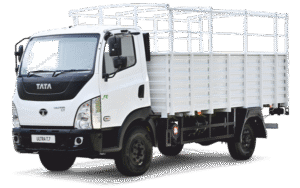
Tata Truck Insurance is a specialised commercial vehicle insurance solution created to protect Tata trucks, lorries, pickups, tempo carriers, container trucks, dumper trucks, hyva tippers, and trailer vehicles used for business activities. Whether you operate a Tata Ace Gold, Tata Ace ZIP, Tata Intra, Tata 407, Tata HT truck, Tata XL carrier, Tata Gold variant, or Tata Mega mini truck, having a valid insurance policy is essential to secure your vehicle, driver, cargo, and daily earnings.
Commercial truck insurance is also known as lorry insurance, pickup insurance, or tempo insurance, and it covers vehicles involved in logistics, goods transportation, food delivery, construction work, infrastructure projects, and heavy cargo movement. From small LCV models to heavy Prima, Signa, and multi-axle wheeler trucks, proper insurance ensures legal compliance and financial protection.
Commercial Vehicle Insurance Plans starting#1


Addons
- IMT 23Helps pay for repairing, replacing, or repainting damaged parts like lamps, tyres, tubes, mudguards, bonnet, side parts, bumper, and headlights after an accident.
- Zero DepreciationAlso called Bumper-to-Bumper or Nil Depreciation, this gets you the full price for replacing a damaged part (excluding tyres and batteries) without any decrease in value.
- Electrical AccessoriesCovers damage to additionally-fitted electrical accessories like fog lights, music system etc. 3 more
- Non-electrical AccessoriesOwner Driver PA CoverPaid Driver Cover
Claim Benefits
- 50% Advance PaymentInsurer offers up to 50% advance payment (excluding GST), for losses exceeding 1 Lac, on claims at any garage. Share the final bill after repair to claim GST amount.
- Spot Claims Upto Rs. 50,000Just upload photos or video of the damage & the insurer will transfer the estimated repair cost up to Rs. 50,000. Once your car is repaired, share the final bill with your insurer.

Addons
- IMT 23Helps pay for repairing, replacing, or repainting damaged parts like lamps, tyres, tubes, mudguards, bonnet, side parts, bumper, and headlights after an accident.
- Zero DepreciationAlso called Bumper-to-Bumper or Nil Depreciation, this gets you the full price for replacing a damaged part (excluding tyres and batteries) without any decrease in value.
- Electrical AccessoriesCovers damage to additionally-fitted electrical accessories like fog lights, music system etc. 3 more
- Non-electrical AccessoriesOwner Driver PA CoverPaid Driver Cover

Addons
- IMT 23Helps pay for repairing, replacing, or repainting damaged parts like lamps, tyres, tubes, mudguards, bonnet, side parts, bumper, and headlights after an accident.
- Zero DepreciationAlso called Bumper-to-Bumper or Nil Depreciation, this gets you the full price for replacing a damaged part (excluding tyres and batteries) without any decrease in value.
- Electrical AccessoriesCovers damage to additionally-fitted electrical accessories like fog lights, music system etc. 3 more
- Non-electrical AccessoriesOwner Driver PA CoverPaid Driver Cover

Addons
- IMT 23Helps pay for repairing, replacing, or repainting damaged parts like lamps, tyres, tubes, mudguards, bonnet, side parts, bumper, and headlights after an accident.
- Zero DepreciationAlso called Bumper-to-Bumper or Nil Depreciation, this gets you the full price for replacing a damaged part (excluding tyres and batteries) without any decrease in value.
- Electrical AccessoriesCovers damage to additionally-fitted electrical accessories like fog lights, music system etc. 3 more
- Non-electrical AccessoriesOwner Driver PA CoverPaid Driver Cover
Claim Benefits
- Spot Claims Upto Rs. 3,00,000Just upload photos or video of the damage & the insurer will transfer the estimated repair cost up to Rs. 3,00,000. Once your car is repaired, share the final bill with your insurer.
- 60% Advance PaymentInsurer offers up to 60% advance payment (excluding GST), for losses exceeding 3 Lac, on claims at any garage. Share the final bill after repair to claim GST amount.

Addons
- IMT 23Helps pay for repairing, replacing, or repainting damaged parts like lamps, tyres, tubes, mudguards, bonnet, side parts, bumper, and headlights after an accident.
- Zero DepreciationAlso called Bumper-to-Bumper or Nil Depreciation, this gets you the full price for replacing a damaged part (excluding tyres and batteries) without any decrease in value.
- Electrical AccessoriesCovers damage to additionally-fitted electrical accessories like fog lights, music system etc. 3 more
- Non-electrical AccessoriesOwner Driver PA CoverPaid Driver Cover

Addons
- IMT 23Helps pay for repairing, replacing, or repainting damaged parts like lamps, tyres, tubes, mudguards, bonnet, side parts, bumper, and headlights after an accident.
- Zero DepreciationAlso called Bumper-to-Bumper or Nil Depreciation, this gets you the full price for replacing a damaged part (excluding tyres and batteries) without any decrease in value.
- Electrical AccessoriesCovers damage to additionally-fitted electrical accessories like fog lights, music system etc. 3 more
- Non-electrical AccessoriesOwner Driver PA CoverPaid Driver Cover

Addons
- IMT 23Helps pay for repairing, replacing, or repainting damaged parts like lamps, tyres, tubes, mudguards, bonnet, side parts, bumper, and headlights after an accident.
- Zero DepreciationAlso called Bumper-to-Bumper or Nil Depreciation, this gets you the full price for replacing a damaged part (excluding tyres and batteries) without any decrease in value.
- Electrical AccessoriesCovers damage to additionally-fitted electrical accessories like fog lights, music system etc. 3 more
- Non-electrical AccessoriesOwner Driver PA CoverPaid Driver Cover

Addons
- IMT 23Helps pay for repairing, replacing, or repainting damaged parts like lamps, tyres, tubes, mudguards, bonnet, side parts, bumper, and headlights after an accident.
- Zero DepreciationAlso called Bumper-to-Bumper or Nil Depreciation, this gets you the full price for replacing a damaged part (excluding tyres and batteries) without any decrease in value.
- Electrical AccessoriesCovers damage to additionally-fitted electrical accessories like fog lights, music system etc. 3 more
- Non-electrical AccessoriesOwner Driver PA CoverPaid Driver Cover

Addons
- IMT 23Helps pay for repairing, replacing, or repainting damaged parts like lamps, tyres, tubes, mudguards, bonnet, side parts, bumper, and headlights after an accident.
- Zero DepreciationAlso called Bumper-to-Bumper or Nil Depreciation, this gets you the full price for replacing a damaged part (excluding tyres and batteries) without any decrease in value.
- Electrical AccessoriesCovers damage to additionally-fitted electrical accessories like fog lights, music system etc. 3 more
- Non-electrical AccessoriesOwner Driver PA CoverPaid Driver Cover
Claim Benefits
- 6-Month Repair Warranty6-month warranty on repairs at Reliance preferred garages.
- Free Pick-up & DropFree pick-up & drop for all repairs at Reliance preferred garages.
- Zero Paper ClaimsAll documents -- car invoice, claim form, RC, and driving license -- can be shared online for any claim amount.
#1 Rs 5773/- per annum is the price for third-party commercial vehicle insurance for Mahindara Alfa PAX DX registration year 2020. The list of insurers mentioned are arranged according to the alphabetical order of the names of insurers respectively. The comprehensive commercial vehicle insurance prices mentioned above are for a 5 year Mahindara Alfa PAX DX registration year 2020. These quotes are from mentioned from lowest to highest price. Policylegit does not endorse, rate or recommend any particular insurer or insurance product offered by any insurer. The list of plans listed here comprise of insurance products offered by all the insurance partners of Policylegit. For complete list of insurers in India refer to the Insurance Regulatory and Development Authority of India website www.irdai.gov.in Read more

Save Up To 85%* on
Vehicle Insurance
Renew policy in 2 minutes
20+ Insurers to chose
10k+ Vehicles Insured
🔒 Your number is safe with us



#1 Rs 5773/- per annum is the price for third-party commercial vehicle insurance for Mahindara Alfa PAX DX registration year 2020. The list of insurers mentioned are arranged according to the alphabetical order of the names of insurers respectively. The comprehensive commercial vehicle insurance prices mentioned above are for a 5 year Mahindara Alfa PAX DX registration year 2020. These quotes are from mentioned from lowest to highest price. Policylegit does not endorse, rate or recommend any particular insurer or insurance product offered by any insurer. The list of plans listed here comprise of insurance products offered by all the insurance partners of Policylegit. For complete list of insurers in India refer to the Insurance Regulatory and Development Authority of India website www.irdai.gov.in
Tata Truck & Related Models – Insurance Price List
Tata Trucks are the backbone of India’s logistics and transport industry. From intra-city deliveries to long-haul freight, Tata Motors offers a wide range of trucks trusted by fleet owners and individual operators alike. Given their heavy-duty commercial usage, Tata Truck insurance is essential to protect vehicles, drivers, cargo, and business income from financial risks.
Tata Truck Insurance Price List (Approximate)
| Tata Truck Model | Third Party (1 Year) | Full Insurance |
| Tata LPT / Ultra (Light & ICV) | ₹28,000 – ₹45,000 | ₹18,000 – ₹32,000 |
| Tata 407 / 709 / 1109 | ₹25,000 – ₹40,000 | ₹16,000 – ₹30,000 |
| Tata Medium Trucks (1613 / 1618 / 1916) | ₹35,000 – ₹65,000 | ₹22,000 – ₹48,000 |
| Tata Heavy Trucks (2518 / 3118 / Signa) | ₹45,000 – ₹85,000 | ₹30,000 – ₹65,000 |
| Tata Tipper / Trailer / Multi-Axle | ₹55,000 – ₹1,20,000+ | ₹38,000 – ₹90,000 |
Note: Final premium depends on IDV, city, seating capacity, fuel type, vehicle age, usage type, NCB, add-ons, and insurer.
What Is the Main Reason for Tata Truck Insurance?
Third-Party Liability Insurance
- Mandatory as per Motor Vehicles Act
- Covers injury, death, or property damage to third parties
- Does not cover own truck damage
Comprehensive Insurance (Highly Recommended)
- Covers third-party liability + own vehicle damage
- Covers accidents, fire, theft, floods, earthquakes, riots
- Best protection for Tata Trucks used in logistics & transport
Standalone Own-Damage Insurance
- Covers only damage to your Tata Truck
- Requires active third-party insurance
Add-Ons / Riders for Enhanced Protection
- Zero Depreciation (for newer trucks)
- Consumables Cover
- IMT 23 / IMT 47
- Return to Invoice
- Driver & Cleaner Personal Accident Cover
Add-ons slightly increase premium but significantly reduce claim-time expenses.
Tata Truck Insurance Price – Premium & Cost Factors
Key Factors Affecting Insurance Cost
- GVW (Gross Vehicle Weight)
- IDV (Insured Declared Value)
- City / RTO Zone & Route Type (Local / Long-haul)
- Vehicle Age & Model
- No Claim Bonus (NCB) – Up to 50% discount
- Commercial Usage (Goods / Tanker / Tipper / Trailer)
- Add-ons & Coverage Type
- Claim History & Driver Profile
Final insurance price, rate, and cost depend on whether the vehicle is small LCV, heavy multi-axle wheeler, or special-use truck.
Why Buy Tata Truck Insurance Online from PolicyLegit?
Instant Quote Comparison
Compare premiums from top insurers like AIG and other leading insurance agency partners in minutes.
Competitive Pricing
Online purchase reduces unnecessary commission costs.
Customised Coverage
Choose add-ons based on route, cargo, and vehicle type.
Renewal Alerts
Avoid policy lapse and NCB loss.
100% Digital & Paperless
Instant policy issuance with secure payments.
Dedicated Claim Assistance
End-to-end claim support for faster settlement.
You can check insurance online near me, compare showroom rates, and evaluate sale listings before purchase.
Tata Truck Insurance Renewal – Simple Online Process
Renew your Tata Truck insurance in 5 easy steps:
- Enter your vehicle number
- Compare renewal quotes instantly
- Select coverage & add-ons
- Make secure online payment
- Download renewed policy instantly
Renew before expiry to avoid inspection delays, penalties, and NCB loss.
Final Note
Your Tata truck is not just a vehicle—it’s your livelihood. Whether you operate a ZIP, Tempo, Mega, HT, XL, Gold, Prima, Signa, Ace, mini pickup, heavy tipper, dumper, trailer, or container truck, protect your business with the right insurance.
Compare & Buy Tata Truck Insurance Online at PolicyLegit.com and secure your business today.
Know more about Commercial Truck Insurance
Why should I buy a Truck Insurance for my business?
Whether you’re using a vehicle as part of your primary business or not, it’s important to safeguard all vehicles being used for commercial purposes. While a liability only or third party policy is already a mandate by law, having a standard package policy ensures your vehicle, paid driver and owner-driver are also financially protected in the case of any unforeseen circumstances such as natural calamities, fire, theft and accidents.
If your business is asset heavy due to the vehicles used, you must have a standard package policy in place. This not only protects the owner-driver but also financially protects your business from any possible losses. After all, businesses are full of risks. A commercial vehicle insurance will at least protect you from one of them.
Is Truck Insurance important?
Yes, commercial vehicle insurance is important for several reasons:
Legal requirement: In many jurisdictions, having commercial vehicle insurance is a legal requirement for vehicles used for business purposes.
Financial protection: Without insurance, businesses would be responsible for bearing these costs out of pocket, which could be financially burdensome or even result in significant losses.
Liability coverage: Accidents involving commercial vehicles can lead to property damage, bodily injuries, or legal claims from third parties. Commercial vehicle insurance offers liability coverage, protecting businesses from potential lawsuits and the associated costs of legal defense or settlement.
Business continuity: If a business heavily relies on its vehicles for operations such as transportation, delivery, or service provision, any disruption or loss of these vehicles can significantly impact the business's continuity. Commercial vehicle insurance helps minimize downtime by providing coverage for repairs, replacements, or temporary vehicle rentals, allowing businesses to resume operations more quickly.
Customized coverage: Commercial vehicle insurance offers tailored coverage options that cater specifically to the risks associated with commercial vehicle use. This ensures that businesses have the appropriate protection for their unique needs, which may not be adequately addressed by personal auto insurance policies.
Peace of mind: Having commercial vehicle insurance provides peace of mind to business owners and operators, knowing that they are protected financially in case of unforeseen events or accidents involving their vehicles. This allows them to focus on their core business operations without constant worry about potential financial liabilities.
Overall, commercial vehicle insurance is important as it helps businesses comply with legal requirements, protects them financially, safeguards against liability claims, ensures business continuity, provides tailored coverage, and offers peace of mind. It is a crucial component of risk management for businesses that utilize vehicles for their operations.
How to choose the right Commercial Vehicle Truck Insurance online?
Choosing the right commercial vehicle insurance online requires careful consideration and evaluation of your business needs. find below some steps to help you in this.
Right Insured Declared Value (IDV): IDV is the value of your vehicle you want to insure, all premiums are dependent on the IDV only while buying or looking for commercial vehicle insurance online or offline please make sure that your IDV is stated correctly.
Service Benefits: Consider services such as 24x7 Customer Support and a Wide Network of Cashless Garages, among others. In times of need, these services matter.
Review Add-Ons: While purchasing the right commercial insurance for your vehicle, consider the add-ons available to ensure maximum benefits.
Claim Speed: It’s the most important aspect of any insurance. Pick an insurance company you know will settle claims quickly.
Best Value: From the right premium and after services to claim settlements and add-ons; pick a motor insurance that conveniently covers everything you think you will need at the best possible value.
Business requirements: Understand your specific business needs and the nature of vehicle usage. Consider factors such as types of vehicle,
Research insurance providers: Look for reputable insurance companies that offer commercial vehicle insurance considering their experience, financial stability, customer reviews, and the range of coverage options they provide.
Compare coverage options: Review the coverage options offered by different insurance providers. Evaluate the types of coverage available, such as liability third party coverage, own damage coverage, comprehensive coverage. depends on each option that aligns with your business requirements.
Evaluate policy features and exclusions: Carefully review the policy features and any exclusions that may apply. Pay attention to deductibles, limits of liability, additional benefits, and any limitations on coverage. Ensure that the policy meets your specific needs and provides adequate protection.
Get multiple quotes: Request quotes from multiple insurance providers to compare prices and coverage. Online insurance comparison websites can be useful in obtaining multiple quotes from different insurers in a convenient manner.
Check for discounts: Inquire about any available discounts that can help reduce premiums. Many insurers offer discounts based on factors such as a good driving record, vehicle safety features, fleet size, or buying multiple fleet policies.
Review customer support and claims process: Consider the quality of customer support provided by the insurance company. Check their reputation for handling claims efficiently and providing prompt assistance when needed.
Read and understand the policy documents: Carefully read the policy documents and any terms and conditions associated with the coverage. Ensure that you fully understand what is covered, any limitations, the claims process, and any obligations or responsibilities you have as the policyholder.
Seek professional advice if necessary: If you have complex insurance needs or are unsure about certain aspects, consider consulting an insurance broker or agent who specializes in commercial vehicle insurance. They can provide expert advice and help you navigate the options available
Make an informed decision: After considering all the factors above, make a well-informed decision based on your evaluation of the coverage, pricing, reputation, and suitability of the insurance provider.
Remember, choosing the right commercial vehicle insurance is essential for protecting your business, assets, and employees. Take your time, compare options, and ensure you have the coverage that meets your specific requirements.
How to Compare Commercial Vehicle Truck Insurance Quotes Online?
Comparing commercial vehicle insurance quotes online can help you find the best coverage and pricing for your business. Here's a step-by-step guide on how to compare commercial vehicle insurance quotes effectively:
Gather necessary information: Before starting your search, gather relevant information about your business and vehicles. This may include details such as the number of vehicles, vehicle types, usage patterns, driver information, and any specific coverage requirements you have.
Research reputable insurance comparison websites: Look for trusted insurance comparison websites that provide quotes from multiple insurance providers. Make sure the website from your compare or buy is reliable and has a good reputation for accuracy and security.
Enter your details: Fill in the required information on the comparison website accurately and completely. This typically includes details about your business, vehicles, drivers, and desired coverage.
Specify coverage requirements: Clearly state the coverage options you need, such as liability coverage, collision coverage, comprehensive coverage, medical payments coverage, and uninsured/underinsured motorist coverage. This will ensure accurate quotes that meet your specific needs.
Compare quotes: Once you've entered your information, the comparison website will provide you with quotes from different insurance providers. Review the quotes carefully, comparing the coverage options, premiums, deductibles, and any additional benefits or limitations associated with each quote.
Evaluate coverage and exclusions: Pay close attention to the coverage details and any exclusions mentioned in the quotes. Assess how well each quote aligns with your business requirements and the level of protection you need.
Consider customer reviews and ratings: While comparing quotes, take into account customer reviews and ratings of the insurance providers. This can give you insights into their reputation, customer service, claims handling, and overall satisfaction levels.
Assess the financial stability of insurers: It's important to consider the financial stability of the insurance companies providing the quotes. Research their financial strength ratings from reputable rating agencies to ensure they are financially sound and capable of meeting their obligations.
Seek clarification if needed: If you have any questions or need clarification about the coverage or terms, reach out to the insurance providers directly. Contact their customer care and service or speak with an insurance agent to address any concerns or doubts you may have like IDV or NCB or anything you do not know about the insurance.
Make an informed decision: Based on your evaluation of the quotes, coverage, reputation, and financial stability of the insurance providers, make an informed decision that best meets your business needs and budget.
Remember, it's not just about choosing the lowest-priced quote but also ensuring the coverage and service quality are suitable for your business. Take your time, compare the quotes thoroughly, and consider all relevant factors before making a decision.
Commercial Truck Insurance Premium Calculator
A commercial vehicle insurance premium calculator is a tool provided by insurance companies or insurance comparison websites to estimate the premium cost for commercial vehicle insurance. It takes into account various factors that influence the premium calculation. While I can't provide a real-time calculator here, I can give you an overview of the factors typically considered:
Vehicle details: The type, make, model, year of manufacture, and value of the commercial vehicles will impact the premium. Certain vehicles may be considered higher risk or more expensive to repair, resulting in higher premiums.
Vehicle usage: The purpose of the vehicle, such as transportation, delivery, or hauling, and the estimated annual mileage can affect the premium. Vehicles used for long distances or in high-risk industries may have higher premiums.
Driver information: The age, driving experience, and driving history of the drivers operating the vehicles are important factors. Drivers with a good driving record and extensive experience are usually considered lower risk, resulting in lower premiums.
Coverage options: The types and levels of coverage selected for liability, collision, comprehensive, medical payments, and uninsured/underinsured motorist coverage will impact the premium. Higher coverage limits or additional coverage options may lead to higher premiums.
Deductibles: The deductible is the amount you agree to pay out of pocket while making a claim. Higher deductibles generally result in lower premiums, while lower deductibles can increase the premium.
Location: The location where the vehicles are primarily operated or garaged can affect the premium. Areas with higher rates of accidents, theft, or vandalism may have higher premiums.
Claims history: The claims history of the business, including any previous accidents or insurance claims, can impact the premium. A history of claims may result in higher premiums due to an increased perceived risk.
It's important to note that each insurance company may have its own specific factors and algorithms for premium calculation. Therefore, using a commercial vehicle insurance premium calculator provided by a specific insurer or insurance comparison website will give you a more accurate estimate based on their criteria.
To get an actual premium quote, you can reach out to insurance providers directly or use online comparison websites that allow you to request quotes from multiple insurers. Provide the necessary details to receive personalized premium quotes based on your specific requirements.
Important Things to know before buying a Commercial Vehicle Insurance Policy
Coverage options: Understand the different types of coverage for your commercial vehicle insurance, such as third party liability coverage, first party coverage, comprehensive coverage, medical payments coverage, and uninsured motorist coverage. Assess your business needs and select the appropriate coverage options.
What is IDV?
The Insured Declared Value is the maximum amount your insurance provider can pay out in case your car is stolen or damaged beyond repair. This value is determined by the manufacturer’s selling price of your vehicle and its depreciation calculated.
What is NCB (No Claim Bonus)?
A No Claim Bonus (NCB) is a discount on premium given to the policyholder for having a claim free policy term. A no claims bonus ranges from a discount of 20-50% and is something you earn at the end of your policy period by maintaining a record of having no accidents caused by your commercial vehicle.
What are Deductibles?
Deductibles are the amount the policy holder is required to pay out during a claim. There are generally two kinds of deductibles; one that is compulsory and the other, the voluntary claim- that you can opt and choose according to how much your business can bear per claim.
The higher your voluntary claim, the lower is your premium. However, while choosing a voluntary deductible amount- make sure it is an amount you’ll be able to afford in case a claim arises.
What is a Cashless Claim?
If you opt to get your commercial vehicle repaired with a Digit Authorized Repair Center, we will make the payment for the approved claim amount, directly to the Repair Center. This is a Cashless Claim.
Please note, if there are any deductibles, like a Compulsory Excess/ Deductible, any repair charges for which your insurance doesn’t cover you or any depreciation costs, that is to be paid by the insured’s own pocket.
What do you mean by a Third-Party Liability?
A Third-Party Liability is when your commercial vehicle damages a third-party property, person or vehicle. In this case, your insurance policy (Liability only policy/Standard Package Policy) is liable to financially cover for the losses incurred towards it
Legal requirements: Familiarize yourself with the legal requirements for commercial vehicle insurance in your jurisdiction. Ensure that the policy you choose meets the minimum insurance requirements mandated by law.
Vehicle information: Provide accurate and detailed information about your commercial vehicles when applying for insurance. This includes vehicle make, model, year, usage, and any modifications. The accuracy of this information ensures appropriate coverage and accurate premium calculation.
Driver details: Disclose accurate information about the drivers who will be operating the commercial vehicles. This includes their driving records, experience, and any relevant qualifications. Providing false or incomplete driver information can impact the validity of the insurance policy.
Exclusions and limitations: Review the policy documents to understand the exclusions and limitations associated with the coverage. These may include specific types of accidents or damages that are not covered, as well as any restrictions on vehicle usage or driver qualifications.
Deductibles: Determine the deductibles associated with the policy. A deductible is the amount you agree to pay out of pocket before the insurance coverage comes into effect. Consider your budget and risk tolerance when selecting the deductible amount.
Policy limits: Understand the policy limits for each coverage type. Policy limits represent the maximum amount the insurance company will pay in the event of a claim. Ensure that the limits are sufficient to cover potential losses and liabilities.
Premiums: Consider the premium cost associated with the policy. Premiums can vary based on factors such as vehicle type, usage, driver records, and coverage limits. Compare quotes from multiple insurers to get a sense of the premium range and choose a policy that provides the best value for your business.
Claims process: Familiarize yourself with the claims process of the insurance company. Understand the steps involved in filing a claim, the required documentation, and the timeframe for claim resolution. A smooth and efficient claims process is crucial when you need to make a claim.
Insurance provider reputation: Research the reputation and financial stability of the insurance provider. Look for reviews, ratings, and customer feedback to gauge their reliability and customer service track record. Choose an insurer that has a solid reputation and a history of prompt and fair claims handling.
Additional benefits: Inquire about any additional benefits or services offered by the insurance provider. This could include roadside assistance, loss of use coverage, or fleet management tools. Assess if these additional benefits align with your business needs.
Commercial Truck Insurance Premium Calculator
Commercial vehicle insurance premiums are typically calculated based on various factors, including the type of vehicle, its usage, the driver's history, and the coverage options selected.
Below are some factors that influence commercial vehicle insurance premium:
No Claim Bonus: It is a discount on your premium if you have not made any claim in your previous history. If you’ve already had commercial vehicle insurance before and if you wish to renew your policy or get a new insurer- then in this case your NCB (No Claim Bonus) will also be considered, and you will get a discounted premium in your insurance!
Vehicle Information: The make, model, year, and value of the vehicle are considered. Generally, more expensive or high-performance vehicles like big trucks and other high end vehicles will have higher premiums.
Vehicle Usage: The purpose of the vehicle and its usage play a role. For example, a delivery van might have a different premium compared to a truck used for construction work.
Coverage Options: The type and level of coverage you choose affect the premium. Common coverage options include liability coverage, collision coverage, comprehensive coverage, and uninsured motorist coverage.
Deductibles: The deductible is the amount you agree to pay out of your pocket while buying insurance. Higher deductibles leads to lower premiums, while lower deductibles result in higher premiums.
Location: The geographic area where the vehicle will be primarily used impacts insurance premiums. Areas with higher accident rates or theft rates tend to have higher premiums.
Claims History: If your business has a history of making claims on commercial vehicle insurance, it can affect the premium. Frequent claims may lead to higher premiums.
Important Things to know before buying a Truck Insurance Policy
Before purchasing a commercial vehicle insurance policy, you should know these factors and must consider. some main key points to keep in mind while buying or comparing:
Check Coverage Types: Understand the different types of coverage available for commercial vehicle insurance, such as liability (third party insurance) coverage, collision coverage, comprehensive ( full insurance or first party insurance) coverage. Determine which types of coverage are necessary for your specific business needs.
State and Legal Requirements: Familiar yourself with the insurance requirements mandated by your state or region for commercial vehicles. Each jurisdiction or RTO may have specific minimum coverage limits or other legal obligations that you must meet.
Vehicle Information: Provide accurate and detailed information about your commercial vehicle(s) to the insurance provider. This includes vehicle make, model, variant, year, identification number (VIN), and any modifications or accessories added to the vehicle. The insurer will use this information to determine the appropriate coverage and premium.
Usage and Business Information: Clearly communicate the purpose of the commercial vehicle(s) and how they will be used for business activities. Different usage scenarios, such as transportation, delivery, or construction, may require specific coverage options.
Insurance Limits and Deductibles: The deductible is the amount you agree to pay out of your pocket while buying insurance. Higher deductibles leads to lower premiums, while lower deductibles result in higher premiums.
Additional Coverage Considerations: Evaluate if you need any additional coverage options beyond the basic ones. For instance, you might need coverage for specialized equipment, hired or non-owned vehicles, or cargo insurance if you transport goods.
Compare for best price and coverage: Obtain quotes from multiple insurance providers to compare coverage options, premiums, and customer reviews. It's important to select a reputed insurer with good customer service and a strong claims handling process.
Exclusions and Limitations: Read the policy documents carefully to understand any exclusions, limitations, or specific conditions that may affect your coverage. Be aware of any situations or circumstances that might result in a claim denial or reduced coverage.
Claim Process and Customer Support: Research the insurance company's reputation for handling claims and providing customer support. It's crucial to choose an insurer known for efficient and fair claim settlements.
Review and Update Regularly: Regularly review your commercial vehicle insurance policy to ensure it aligns with your changing business needs. Inform your insurance provider about any modifications to vehicles, changes in usage, or additional drivers to ensure continuous coverage.
What is a Cashless Claim? If you opt to get your commercial vehicle repaired with a insurer Authorized Repair Center, the insurer will make the payment for the approved claim amount, directly to the Repair Center. This is a Cashless Claim.
What is Third-Party Liability Insurance ? A Third-Party Liability is when your commercial vehicle damages to a third-party or unknown property, person or vehicle. In this case your insurance policy (Liability only policy/Standard Package Policy) is liable to pay cover for the losses incurred towards it.
How is Commercial Truck Insurance different from regular Car Insurance?
Commercial vehicle insurance for cover vehicles used for business and public transport purposes, such as transporting goods, making deliveries, or providing services. Regular car insurance is meant for personal use vehicles used for commuting. It also often requires higher liability coverage limits compared to personal car insurance. This is because commercial vehicles typically carry more risk due to their business use and may need increased protection in case of accidents or damages. Price are usually higher than the private car insurance price it usually depends on vehicle use and segment of the vehicle also it is decided by the IRDA itself. It may have stricter requirements regarding driver qualifications and driving records. RTO signed different type of driving licence for commercial vehicle and for private car light weight licence and legal requirements imposed by local or regional authorities for businesses operating commercial vehicles. These requirements can vary by jurisdiction and may include minimum coverage limits or other regulations that businesses must comply with.
Why is it important to buy/renew Truck Insurance?
It is very important to buy or renew you commercial vehicle insurance for below reasons:
In most jurisdictions, having valid auto insurance is a legal requirement for operating a commercial vehicle. If insurance is not there and coughs by cops will get you high fines and penalties, and even the suspension of your business operations. By purchasing and renewing commercial vehicle insurance, you ensure that you legit with the legal obligations and maintain the necessary coverage to protect your business.
Commercial vehicle insurance provides financial protection in case of accidents, fire, theft and damages to your commercial vehicles. Insurance coverage will help you to cover the costs of repairing or replacing your vehicle's damage, as well as any property damage or human injuries caused to others in an accident. Without insurance you might lose a lot of money as you will be the sole responsible for all those.
Commercial Vehicle Insurance
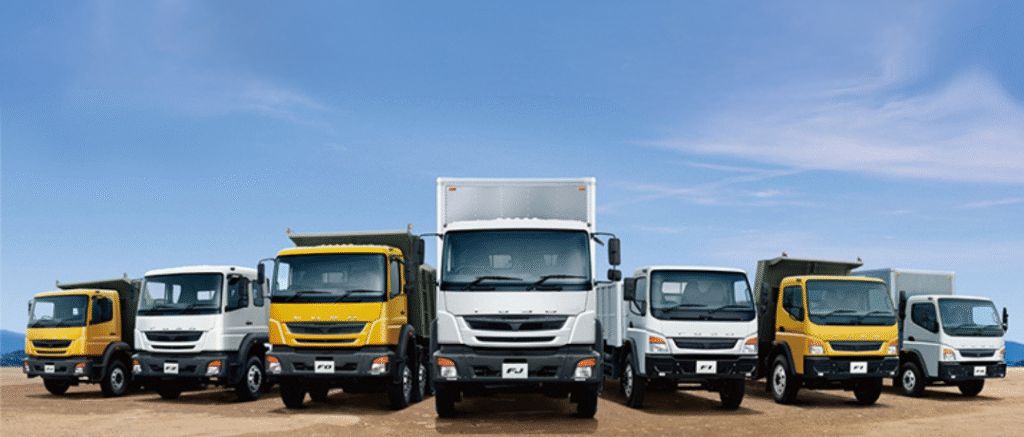
Types of Vehicles insured in Commercial Vehicle Insurance Policy
Commercial vehicles are an essential mode of transportation and are heavy-duty vehicles used daily to carry out tasks. Some of the most common commercial vehicles are:
These commercial vehicles transport goods within the city/cities and from one state to another, as well as for intercity passenger tours and travel.
Coverage Under Commercial Vehicle Insurance
- Losses due to riots, strikes, natural calamities such as earthquakes, hurricanes, cyclones, etc, are covered
- Damages to the vehicle arising out of fire, self-ignition and explosion
- Partial or total loss to the insured vehicle due to theft, housebreaking, and burglary
- Loss or damage caused to the third-party property, vehicle, bodily injuries and death of the third person.
- Damages arising out of road accidents or collisions are also covered.
- Wear and tear/depreciation of the commercial vehicle.
- Losses incurred during a civil war, nuclear perils.
- Contractual liabilities of the owner/driver of the insured commercial vehicle are also not covered.
- The occurrence of an accident while driving with an invalid driving license or under the consumption of alcohol.
- Using a vehicle in accordance with 'limitations as to use', for instance, a private car is used as a taxi.
- Electrical and mechanical breakdown, breakage or failure of the insured vehicle.
List of Tata Truck Commercial Vehicle Insurance Companies in India 2026
Following is the list of general insurance companies that offer commercial vehicle insurance:
| Insurer Name | Passenger Carrying Vehicle Insurance | Goods Carrying Vehicle Insurance | Miscellaneous Vehicle Insurance |
| Bajaj Allianz Commercial Vehicle Insurance | No | Yes | No |
| Godigit Commercial Vehicle Insurance | Yes | Yes | Yes |
| New India Assurance Commercial Vehicle Insurance | Yes | Yes | No |
| Reliance General Commercial Vehicle Insurance | Yes | Yes | Yes |
| SBI General Commercial Vehicle Insurance | Yes | Yes | Yes |
| Shriram General Commercial Vehicle Insurance | Yes | Yes | No |
| United India Commercial Vehicle Insurance | Yes | Yes | No |
| Zuno Commercial Vehicle Insurance | Yes | Yes | No |
*Disclaimer: The table mentioned above is according to the alphabetical order of the insurance company. Policylegit does not endorse, rate or recommend any particular insurer or insurance product offered by any insurer. This list of plans listed here comprise of insurance products offered by all the insurance partners of Policylegit. For complete list of insurers in India refer to the Insurance Regulatory and Development Authority of India website www.irdai.gov.in
Explore More Under Commercial Vehicle Insurance
- Commercial Vehicle Third Party Insurance
- Commercial Vehicle Insurance Companies
- Tractor Insurance
- Truck Insurance
- Pick Up Van Insurance
- School Bus Insurance
- Goods Carrying Vehicle Insurance
- Passenger Carrying Insurance
- Auto-Rickshaw Insurance
- E-rickshaw Insurance
- Bus Insurance
- Tempo Traveller Insurance
- Trailer Insurance
- Tipper Insurance
- Heavy Truck Insurance
- Tanker Insurance
- Bulker Insurance
- Taxi Insurance
What happens if Tata Truck insurance expires?
Expired insurance may lead to fines, claim rejection, loss of NCB, and mandatory inspection during renewal.
What is the price of Tata Truck insurance?
Tata Truck insurance price generally ranges from ₹25,000 to ₹1,20,000+ per year depending on GVW, model, city, and coverage.
Which Tata truck models are covered under insurance?
All Tata truck models are covered including Ace, ZIP, LPT, Ultra, 407, 709, 1613, 1916, Signa, tippers, trailers, and multi-axle trucks.
Which insurance is best for Tata trucks?
Comprehensive insurance is recommended as it covers third-party liability along with own truck damage, theft, and natural calamities.
Are Tata tippers and trailers covered under truck insurance?
Yes. Tata tippers, trailers, tankers, and multi-axle trucks require specialized commercial insurance with IMT add-ons.
How can I reduce Tata Truck insurance premium?
Premium can be reduced by maintaining NCB, choosing correct IDV, renewing on time, and comparing plans online.